

Our Programme
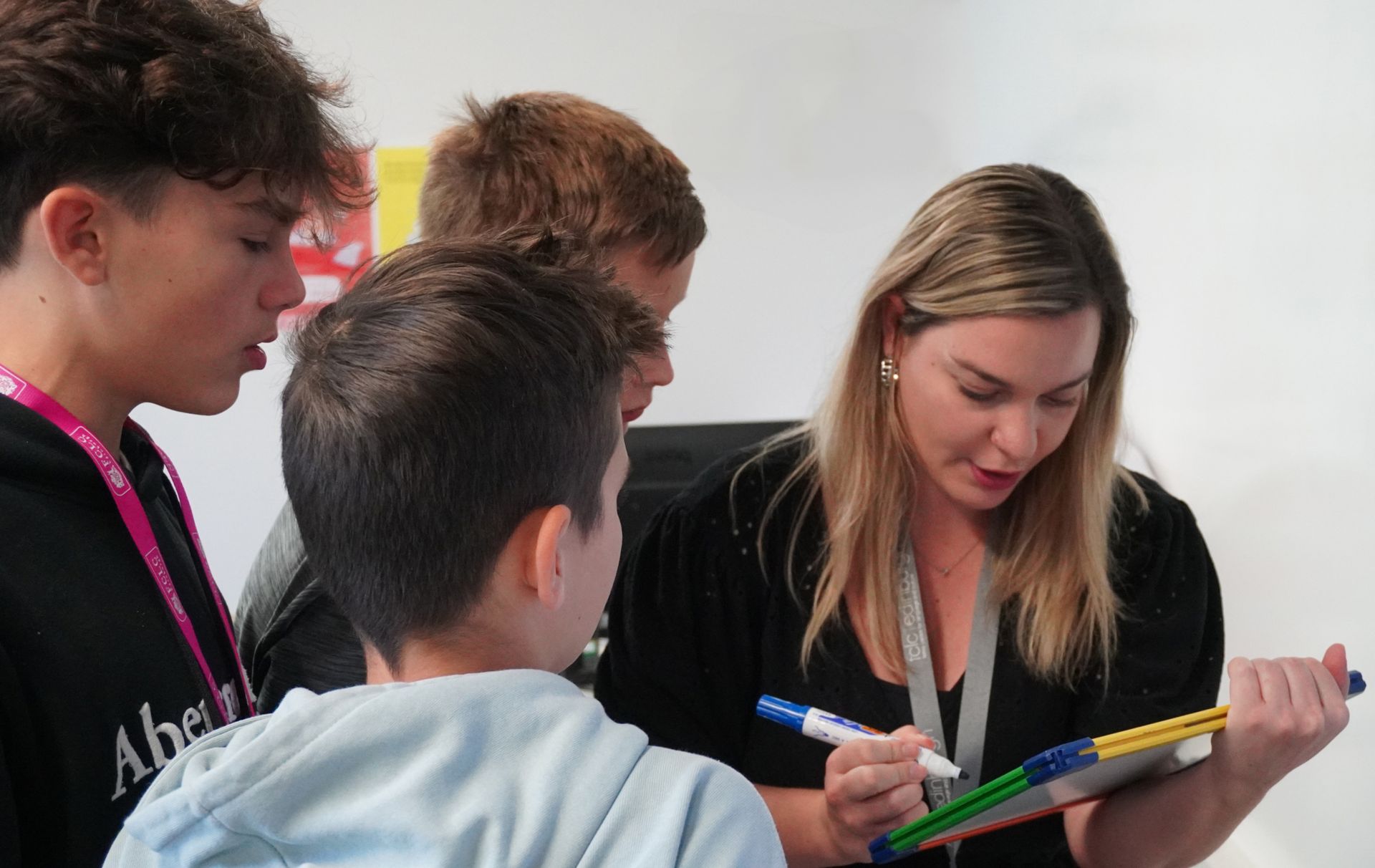
Our programme is designed to enable our students to use real English and communicate about important ideas while exploring Scottish culture and making friends with students from around the world.
The combination of on-campus accommodation, thought-provoking lessons & excursions and enjoyable sports & activities ensures our students are safe, engaged and happy.
Each week of our programme is based around a theme named after a great work of literature with a Scottish connection. We feel that our themes are part of what makes our programme interesting, unique and challenging. Please see the themes we’ll be offering in each week of the 2027 programme below.
4th to 10th July
The Lost World by Sir Arthur Conan Doyle
The Lost World is a science fiction novel by Sir Arthur Conan Doyle, who was born in Edinburgh in 1859. Published in 1912, the book recounts an expedition to a plateau in the Amazon basin where prehistoric animals still survive. Just as Doyle based the character of Sherlock Holmes on one of his medical professors at Edinburgh University, the main character of The Lost World is partly based on a professor of physiology who had lectured at the University of Edinburgh while Conan Doyle studied there. Teachers will develop the themes of travel, exploration and adventure in class and could also look at dinosaurs, science fiction, evolution, science, the consequences of exploration and conquest, extinction and human relationships.11th to 17th July
The Strange Case of Dr Jekyll and Mr Hyde by Robert Louis Stevenson
The Strange Case of Dr Jekyll and Mr Hyde is a gothic novella by Scottish author Robert Louis Stevenson, first published in 1886. Stevenson drew inspiration for the character of Jekyll and Hyde from Edinburgh’s own Deacon Brodie, a cabinetmaker, deacon of a trades guild, and Edinburgh city councillor who maintained a secret life as a housebreaker and thief. Teachers may develop the theme through the prism of crime and punishment or the concept of hypocrisy, and our material looks at how some people change for the worse when online, with a particular focus on online bullying. The theme will be developed in the activity programme by such things as a game of Campus Cluedo and a Jailhouse Rock disco where everyone should wear black and white.18th to 24th July
Harry Potter and the Philosopher’s Stone by JK Rowling
While everyone knows about Hogwarts, Diagon Alley and Lord Voldemort, it’s less well known that Hogwarts is based on a real Edinburgh school, that the inspiration for Diagon Alley is a winding street in the Old Town or that inspiration for Lord Voldemort came from Greyfriars Cemetery. Our teachers will introduce their students to Rowling and her rags-to-riches story, as well as the themes of the series through our own unique material at the beginning of the week. Outside class, they will take their students on two excursions, including a walking tour of the Old Town, where they'll see many places related to the characters, places and development of the Harry Potter series. The activity leaders will also lead the students on a ghost tour of Fettes College, but we promise there's no three-headed dog in the bell tower!25th July to 31st July
Ring of Bright Water by Gavin Maxwell
Gavin Maxwell was a Scottish naturalist and author, best known for his work with otters. Published in 1960, Ring of Bright Water describes his experiences raising otters from Iraq and West Africa on the west coast of Scotland. The book became a massive global bestseller, selling over a million copies and was made into a film in 1969. The book explores several interesting themes, including man's connection with nature, human interaction with animals, humans' evolving perceptions of animals and their ethical treatment, the beauty and harshness of rural life and freedom versus domestication. Ring of Bright Water brought international attention to Maxwell’s remote Scottish home and inspired generations of readers to care deeply about wildlife conservation and otter protection. The theme will be developed outside class with, for example, trips to the Royal Botanical Gardens and The Scottish Deer Centre.1st to 7th August
Rob Roy by Sir Walter Scott
Rob Roy is a historical novel by Walter Scott, published in 1817. The depiction of Rob Roy bears little relation to the historical figure, but the story helped to spread Rob Roy’s fame and to cement his image as a Scottish cultural icon. Sir Walter Scott had a huge impact on European and American literature, and during his lifetime, he was probably the most-read author in the world. Themes discussed in class may include ‘Scottishness’, national stereotypes, democracy, revenge and the difference between real people and the myths that grow up around them. Mid-week excursions will include a tour of the New Town, where Sir Walter used to live, while at the weekend, the students will go to Abbotsford, Sir Walter’s home in the Scottish Borders.8th to 14th August
Macbeth by William Shakespeare
As the most famous and influential English language writer in history, William Shakespeare needs no introduction. While Shakespeare was English, one of his most well known plays was Macbeth, the story of a Scottish general who destroys himself and others through his uncontrolled lust for power. The primary theme of the play is the destructive power of unchecked ambition, but the play also explores the supernatural, appearance versus reality, guilt & conscience, the nature of violence, and gender. Our teachers will use level-appropriate material to introduce the story to their students and some classes will have an opportunity to act out part of the play. The theme will be developed outside class with, for example, a trip to Scone Palace, where the real Macbeth was crowned King of Scotland in 1040 or a walking tour of the Edinburgh Old Town to compare the history of medieval Scotland with Shakespeare’s dramatic interpretation.
Academic Programme
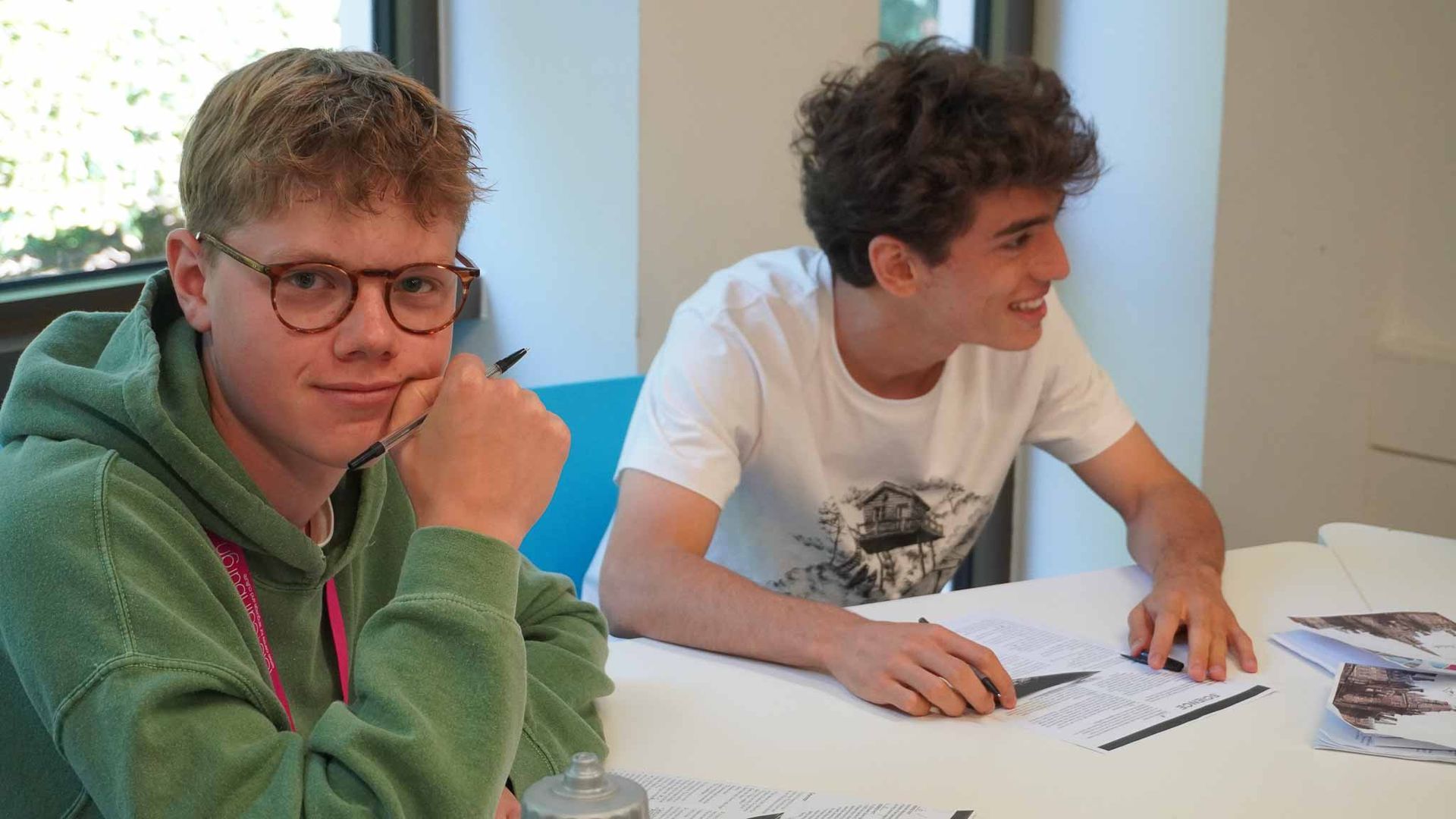
Our academic programme is generally divided into lessons for Young Learners aged 10 to 13 and for Young Students aged 14 to 17. All classes are taught in the Spens Building, our purpose-built educational centre on the Fettes College campus with its 25 bright, modern classrooms.
Although we offer courses from A1 to C1 level, we recommend a minimum level of A2. Classes at A1 and A2 level may have mixed ages and we do not offer lessons for beginners or for students higher than C1 level.
Cultural Programme
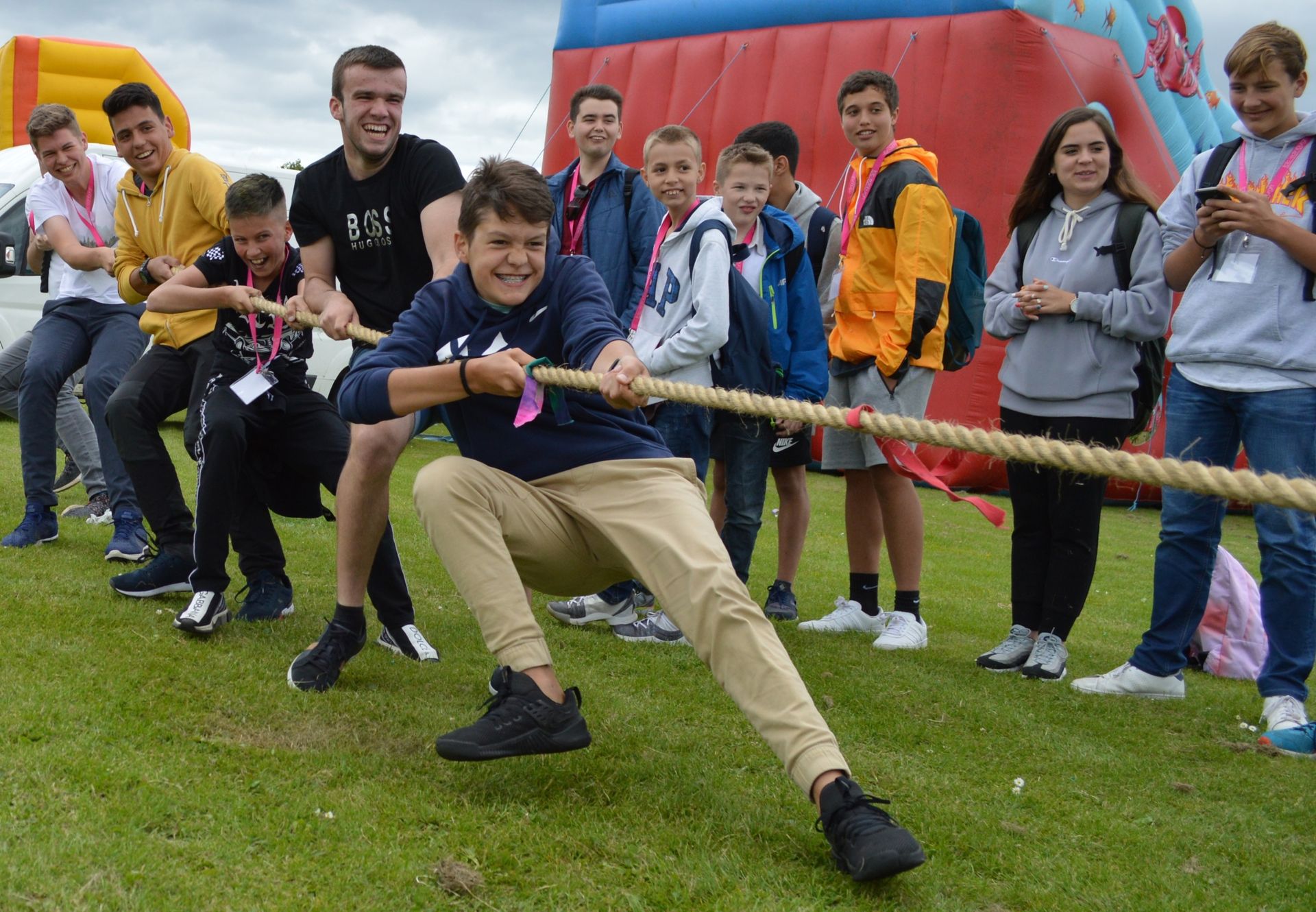
Our cultural programme includes a variety of sports, afternoon & evening activities and weekend trips out of Edinburgh. We believe that learning outside lessons is important, so our excursions give students the chance to develop their confidence in speaking English while visiting interesting places. A lot of planning goes into this part of the programme to ensure that it is highly linked with the academic programme.
Accommodation
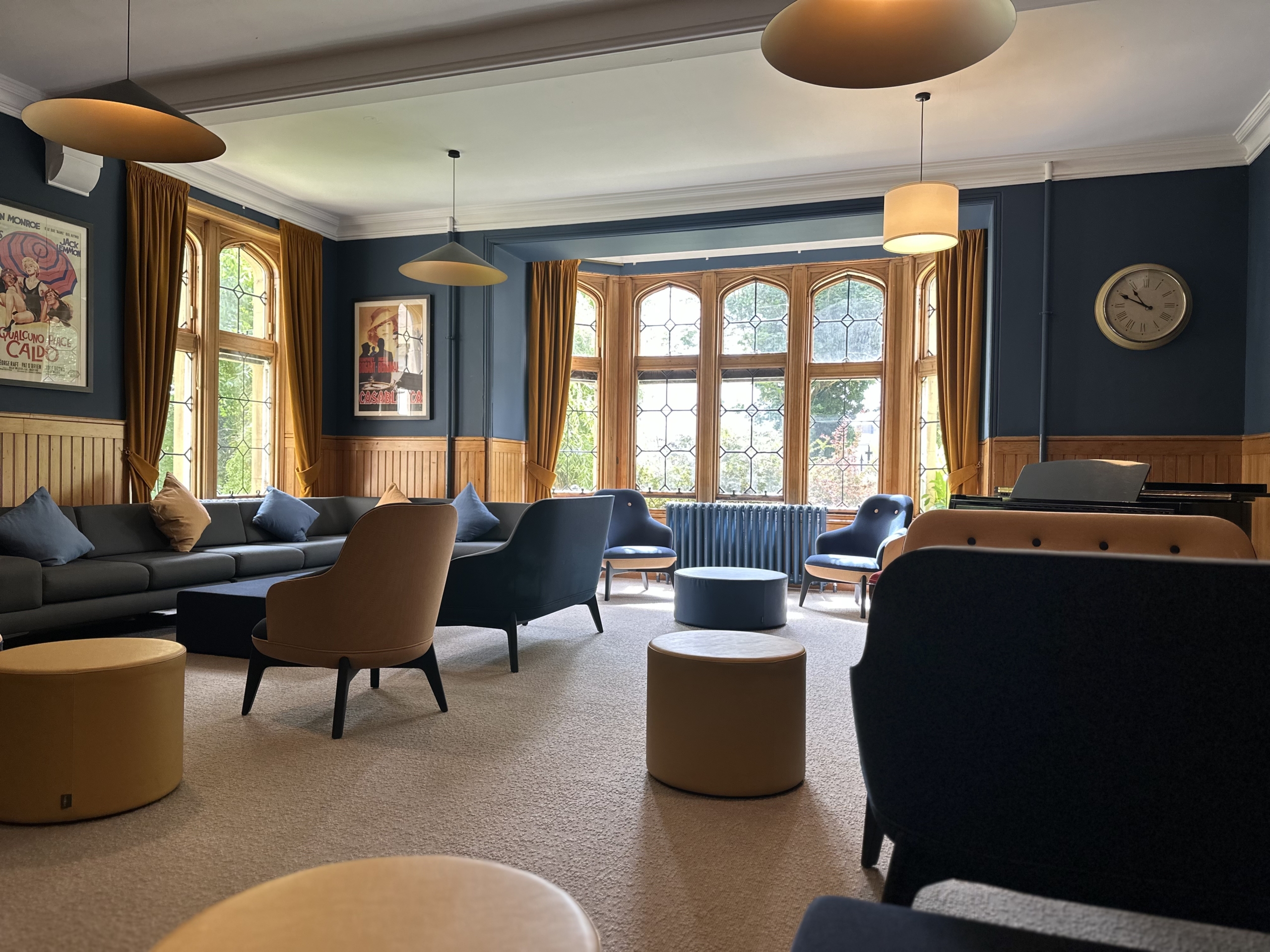
All FCLC students stay in on-campus boarding houses that Fettes College students live in throughout the academic year. We feel that the boarding aspect of our programme plays an important part in keeping our students safe, providing them opportunities to interact with other students and giving them a small taste of public school education in the UK.
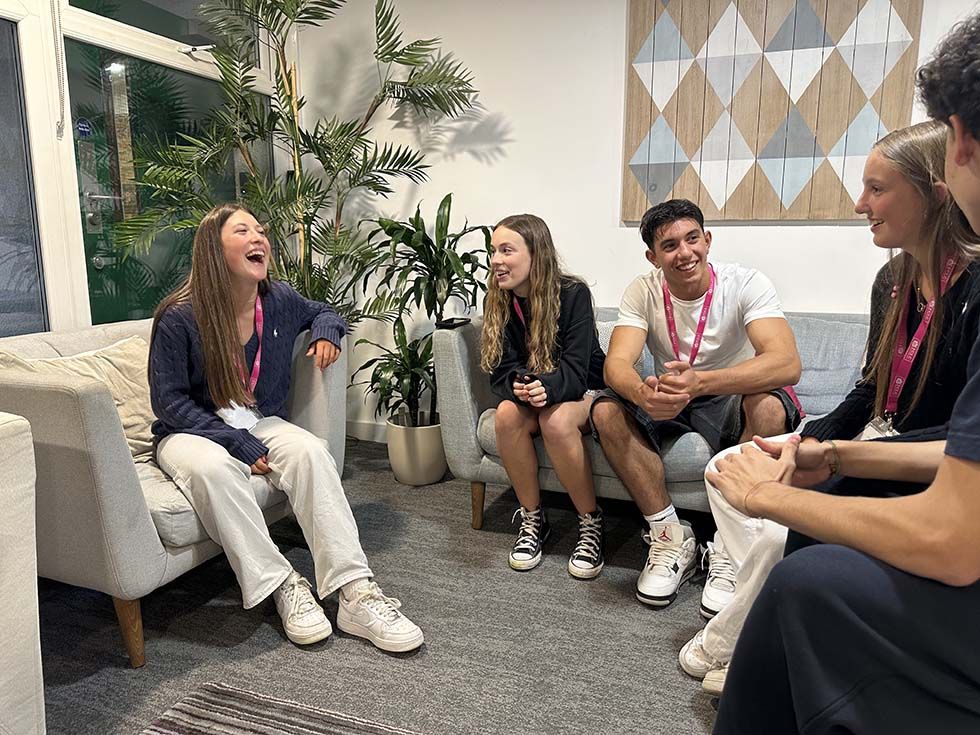
Care of under 18s
Looking after the students in our care is our number one priority. By providing a carefully planned, well-organised and properly supervised programme, we do our utmost to promote our students’ safety and welfare at all times
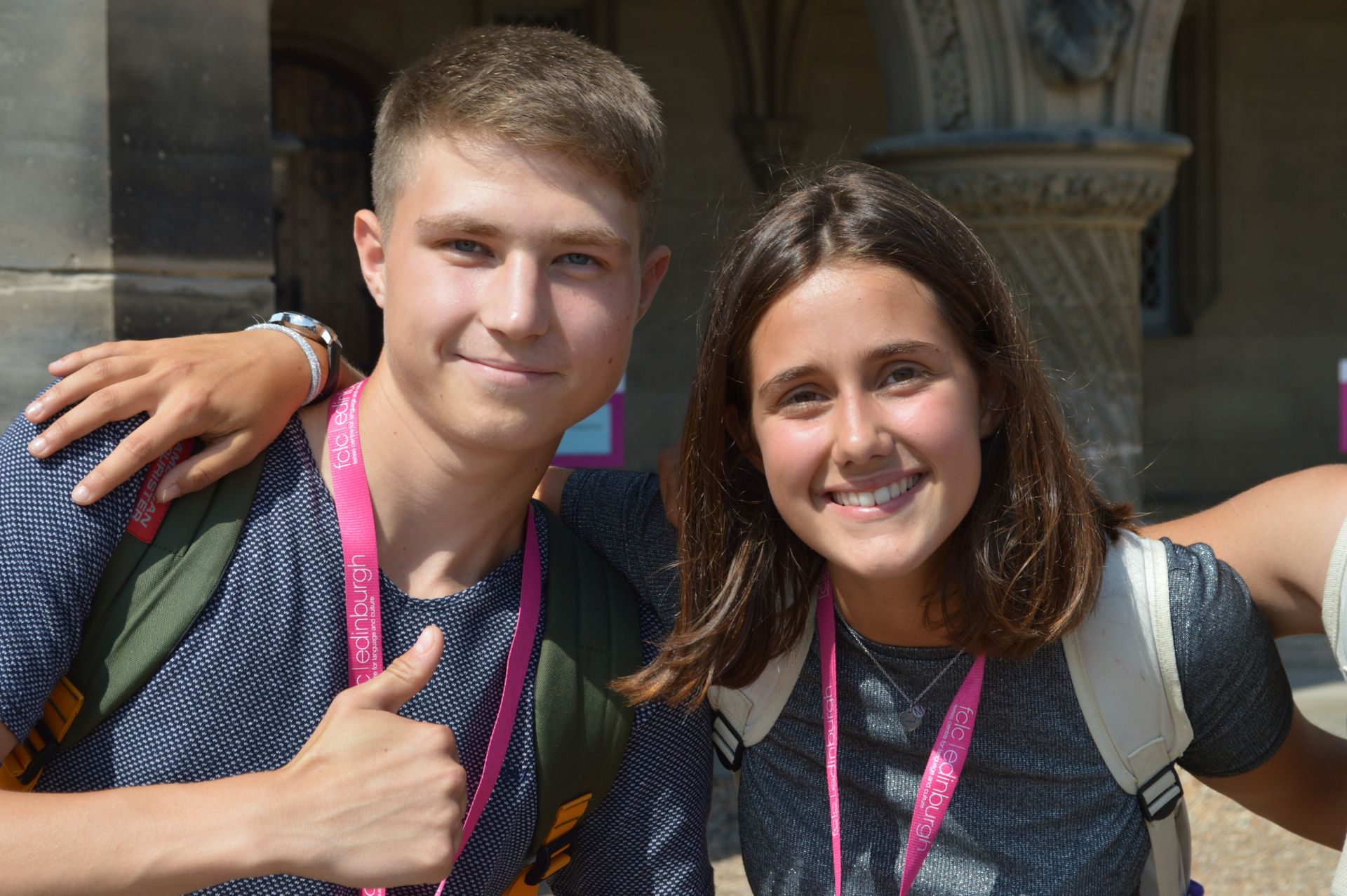
Pricing & Enrolment
Keeping it simple is key. At FCLC Edinburgh, once the programme fees have been paid, everything is included thereafter with no hidden surprises.We accept direct individual student enrolments and group bookings through agents, schools and teachers.

Edinburgh fringe festival
In the month of August, Edinburgh comes alive with Festival Fever and in the last week of our programme, 8th to 14th August, we centre the programme around the world-famous Fringe Festival, allowing our students to experience and enjoy the world’s largest and most exciting yearly ticketed event.